 North West Social Science Doctoral Training Partnership
COP26 and Climate Exp0 Conference: Thoughts and reflections of a critical climate decade

Eleanor Godwin, Socio-legal Studies, University of Liverpool (2020 Cohort)
Between the 17th – 21st May 2021 I (and my dog, as pictured!) attended the Climate Exp0 conference, including volunteering as a student rep on the Friday. This was first conference of its kind organised by the COP26 Universities Network and the Italian University Network for Sustainable Development and supported by the UKRI, Cambridge University Press, and the Conference of Italian University Rectors. With the weight of support behind it, this conference presented the latest thinking in issues related to the climate, as part of the official All4Climate Pre-COP26 Programme. This blog post will firstly look at what COP26 is and the purpose behind the Climate Exp0 conference, then it will provide key takeaway points from the conference itself.
Read MoreMethod to the madness: the art of writing methodology chapters

Rosie Harrison, Business & Management, Lancaster University (2019 Cohort)
Although your methodology chapter is seen as the easiest chapter to write, I have found it really hard to balance what I need to say for my thesis to pass, and what I want /like /find easier to write about. After rewriting this chapter about 20 times and still not being happy with it, I decided to seek out some professional help. The NCRM website is a great source of training sessions, and with the RTSG covering most training costs, they are a good way of benefiting from expertise outside your institution. Especially now when provision is mostly online, I have found it a really good way of accessing courses which would otherwise have proved impossible due to the time and travel requirements when needing to travel around the country.
Read More“Publications are your ticket out of grad school”
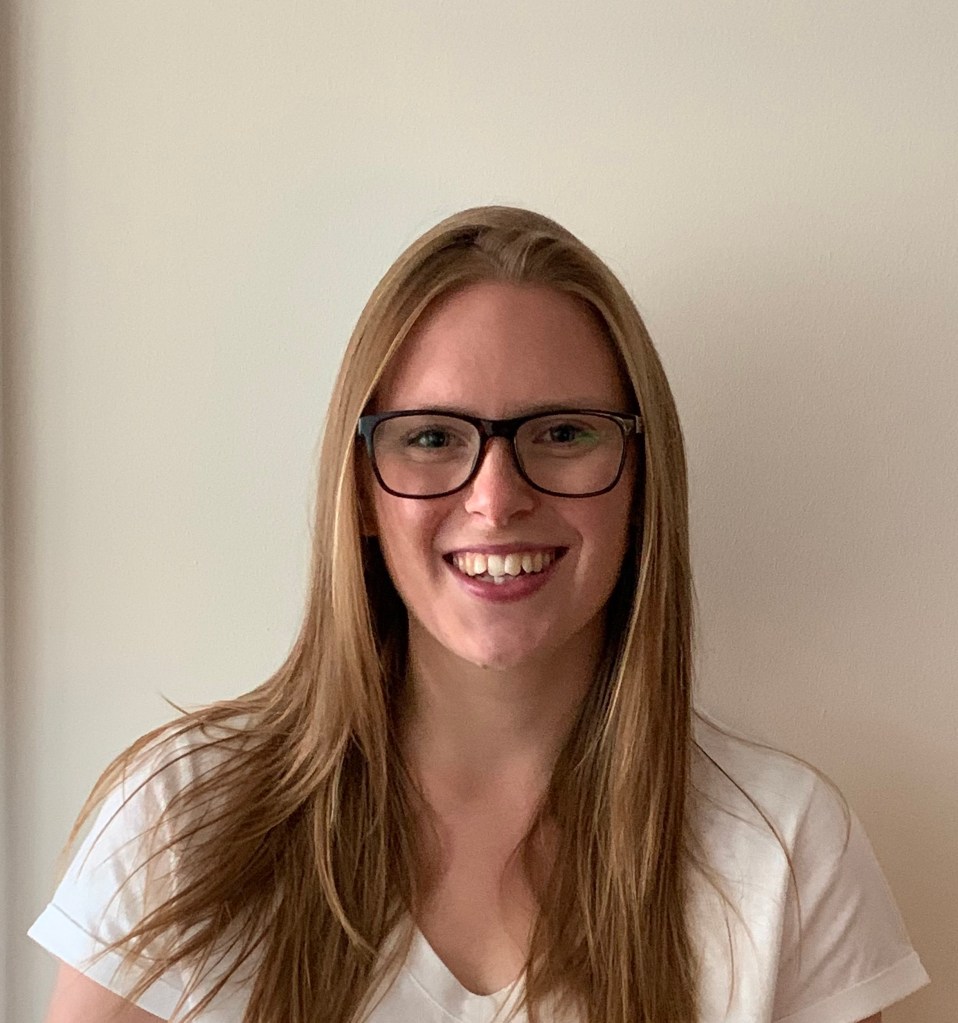
Megan Readman, Psychology, Lancaster University (2017 Cohort)
Around 2 ½ years ago my supervisor told me, “Publications are your ticket out of grad school…it is your publications that will get you post-doc and lectureship positions” this conversation has stuck with me since that day.
I am sure we, PhD students, are all very aware that our achievements in the world of academia are often measured by our publications (and later our grant successes). Whether that’s right or wrong is another matter, but due to this many of us will continually be striving for the next publication. I must admit as a young fresh-faced undergraduate (and probably also Msc student) I naively thought the publication process was pretty straightforward in that you write an article, select an appropriate journal, submit the article and bam a while later after making some minor amendments the article is published. How very wrong I was…
Read MoreOverseas Institutional Visit during a pandemic

Yigit Oezcelik, Economics, University of Liverpool (2018 Cohort)
As Benjamin Franklin once said: “An investment in knowledge always pays the best interest.”. This also holds during a pandemic. As the Overseas Institutional Visit funding (OIV funding) promotes such an investment in advancing and disseminating knowledge abroad, I decided to go to Berlin, after I was invited by Prof Radosveta Ivanova-Stenzel. At the beginning of January 2021, I travelled to Berlin in order to start my visit at Technical University Berlin and stayed there until the end of March 2021.
Read More
