 North West Social Science Doctoral Training Partnership
Navigating Gatekeepers, Adapting Research Methods, and Managing Ethical Challenges in a Politically Complex Place

Nay Myo Htet, Educational Research, University of Manchester (2021 Cohort)
Researching in complex, political environments pose unpredictable challenges for PhD researchers and academics in the humanities. My recent experience in Mae Sot, a border town between Myanmar and Thailand, offers some insights into navigating such challenging terrains. This blog post aims to share my journey of conducting fieldwork in a political hotspot, focusing on three crucial aspects: accessing vulnerable participants and working with gatekeepers, adapting research methods to fit participants’ circumstances, and managing ethical challenges.
Read MoreFor the past year, I have been an Equity, Diversity, Inclusion (EDI) and Wellbeing Representative for the NWSSDTP
Eve Pennington, Economic & Social History, University of Manchester (2022 Cohort)
I am in my final year of a +3 studentship on the Economic and Social History pathway. My research explores the historical relationship between gender and state-sponsored urban development in late twentieth century Britain. I am particularly interested in how new built environments reflected and reinforced gender relations, whether women adhered to or subverted the roles prescribed by deterministic architecture and planning, and how gender intersected with other social relations such as class and race.
Read MoreI’ve discovered exciting connections between my research and environmental history
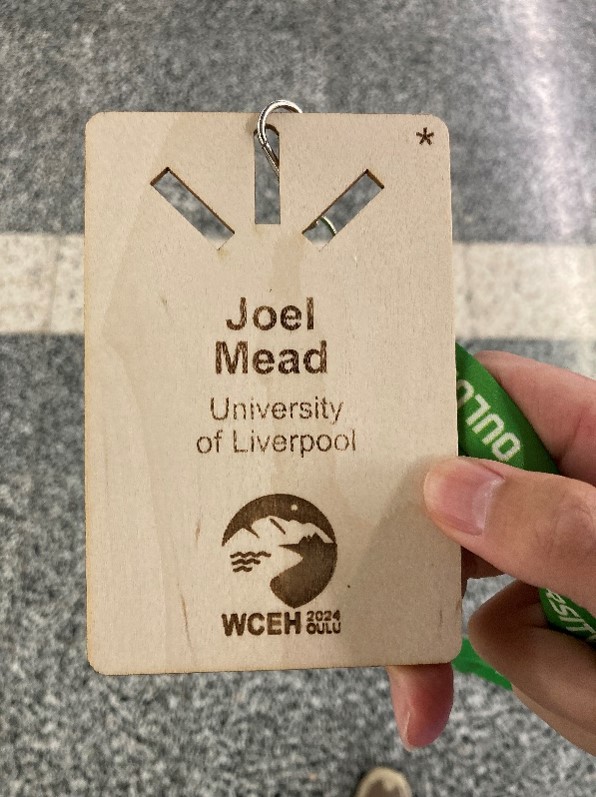
Joel Mead, Economic & Social History, University of Liverpool (2022 Cohort)
I am a PhD student in the Department of History at the University of Liverpool, nearing the end of my second year. My research focuses on the history of egg production and consumption in post-war Britain, examining broader societal changes in consumption and public attitudes. Over the past year, I’ve discovered exciting connections between my research and environmental history, particularly in how food consumption and agricultural practices have impacted the environment.
Read MoreEverything ranging from tiny rooms in basements of local museums to the grand corrals in the National Archives.
Beck Heslop, Social Studies of Science, Technology and Medicine, University of Manchester (2022 Cohort)
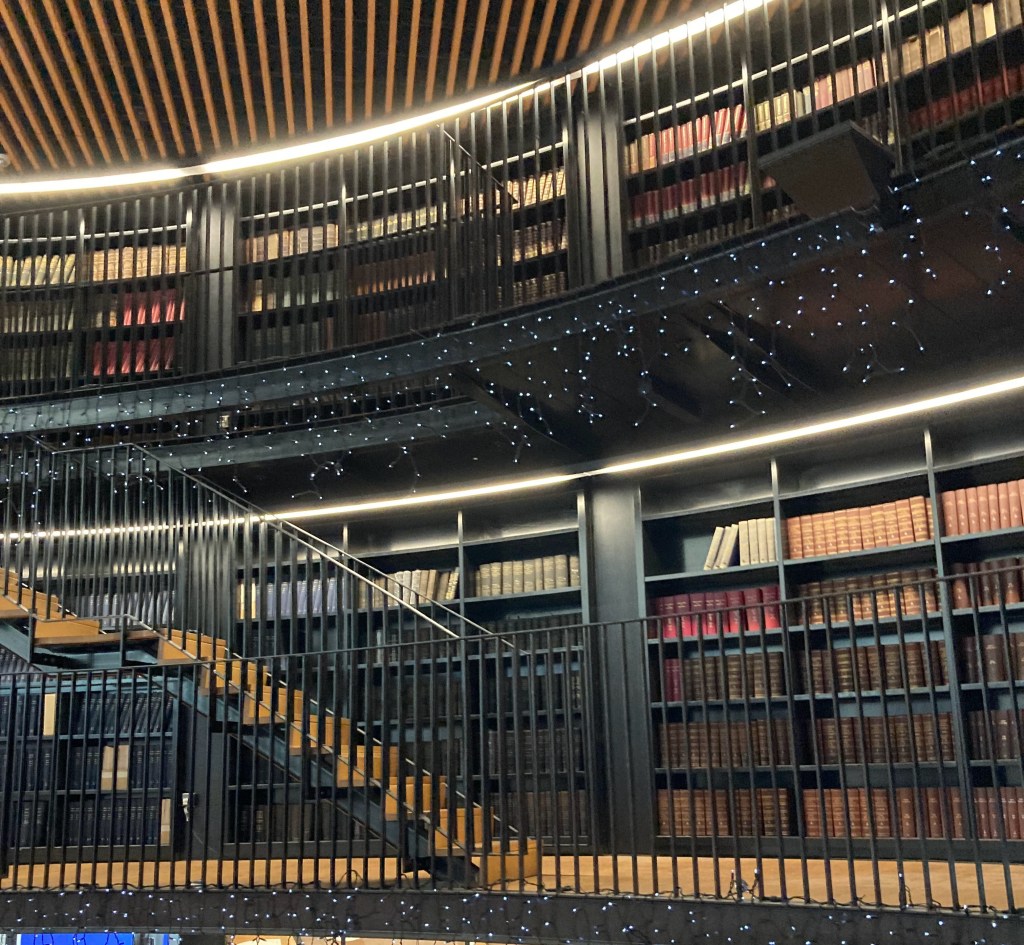
Since the main archive I had planned to use has admitted to me that they probably won’t be re-opening any time soon after all, I have had to be creative to find materials relevant to my topic. That is why, over the first one hundred weeks of my PhD, I have visited ten different archives across England. That’s translated to somewhere around four weeks sitting in reading rooms going through tape recordings, papers, microfiche, and one television documentary. Everything ranging from tiny rooms in basements of local museums to the grand corrals in the National Archives.
Read More North West Social Science Doctoral Training Partnership