 North West Social Science Doctoral Training Partnership
Liverpool Fashion Summit
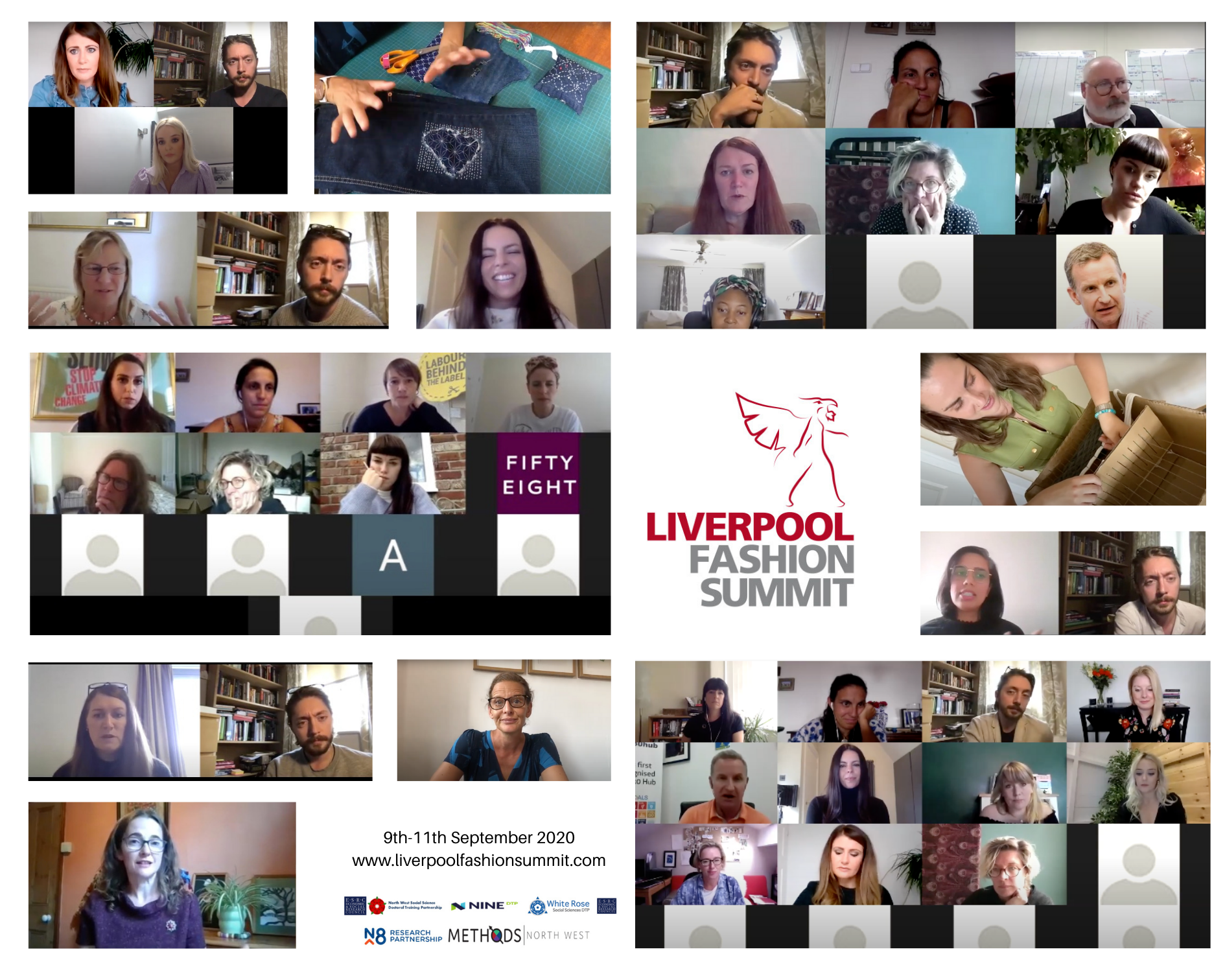
Liverpool Fashion Summit took place from the 9th to the 11th of September 2020, and was funded by the NWSSDTP via the Northern Fusion Fund. Postponed due to the pandemic, it was hosted online. As a student-led event, it provided a platform for businesses, consumers and academics to debate and discuss industry trends and best practice, raise awareness of the key barriers to change, and look to ourselves to explore the part we can all play.
What did you miss?
Attending a conference in COVID-19 times
Veronica Vienne Arancibia, Economics, University of Manchester, 2018 Cohort
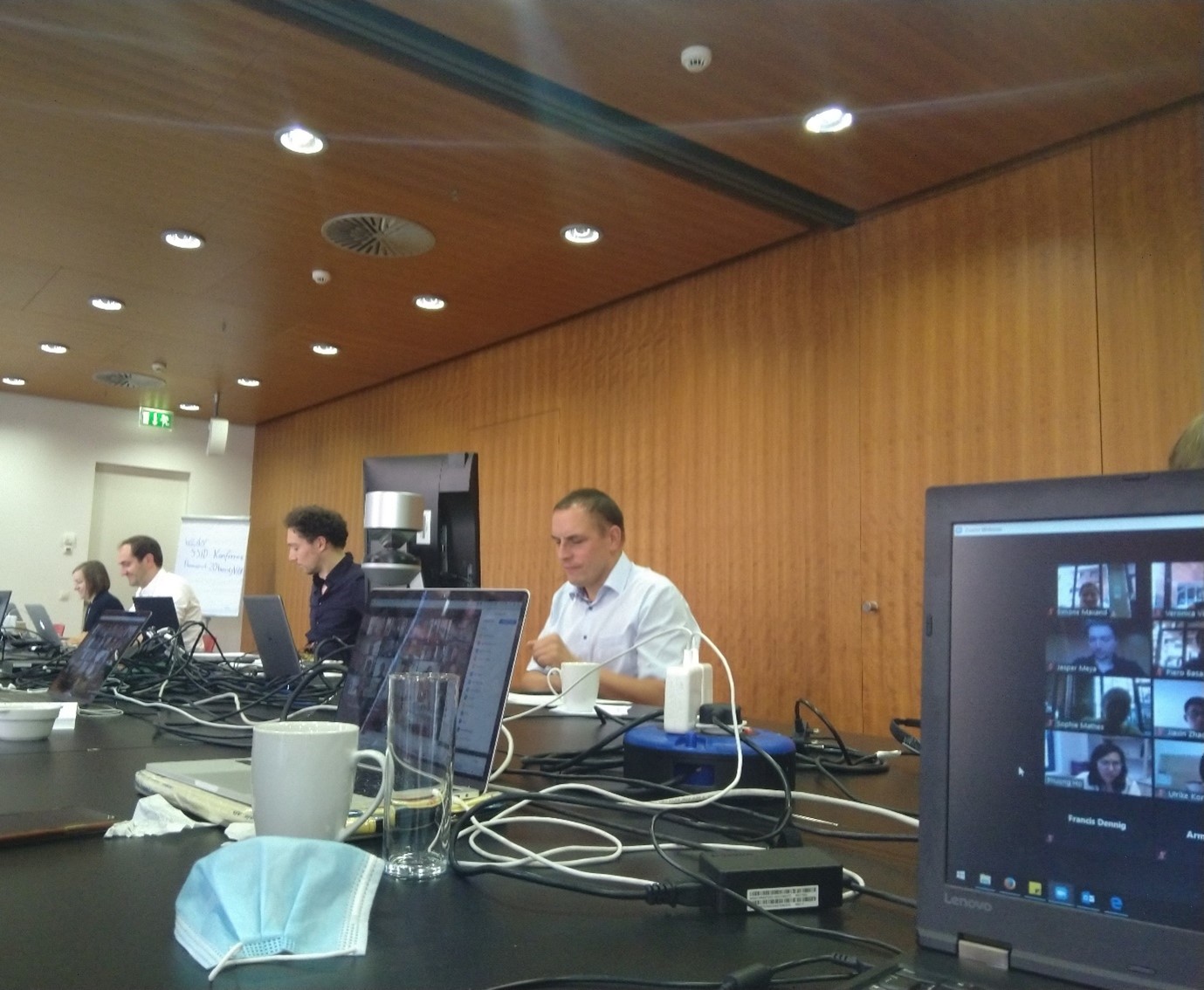
A big part of our PhDs involves presenting our research in workshops, seminars and conferences. Unfortunately, they involve social interactions, so most of them were either cancelled or moved online. Although online conferences are a good alternative to show your work to wide audiences, they don’t do very well when it comes to networking. And, let’s face it, it can be a challenge to pay attention to a full day or more of Zoom webinars.
There are new formats, however, that adapt to the new normality and could be adopted permanently, because of the flexibility and benefits they offer.
5 Steps to Successfully Submitting your PhD during a Global Pandemic
Margot Tudor, Development and Humanitarianism in an Unequal World, University of Manchester, 2017 Cohort
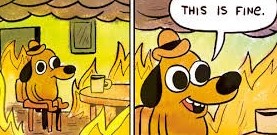
Completing a PhD at any stage of life and circumstance is a significant achievement and demonstrative of an unwavering commitment to your field of scholarship. I was approaching the last six months of my PhD in March 2020 when lockdown was implemented across the UK. My original plan for these months was not entirely dissimilar to the restrictions of a national lockdown; my mug, library books, and desktop screen all waited for me on my desk in the PhD office and I planned to hunker down and get the job done. The main goals were to revise my four case study chapters and write my introduction and conclusion sections before my 31st June first draft deadline. I knew I would need to keep focused during these next months in order to submit by the end of my funding in September. However, when the global pandemic hit, things did not go entirely to plan and keeping focused whilst the world was on fire proved impossible at times.
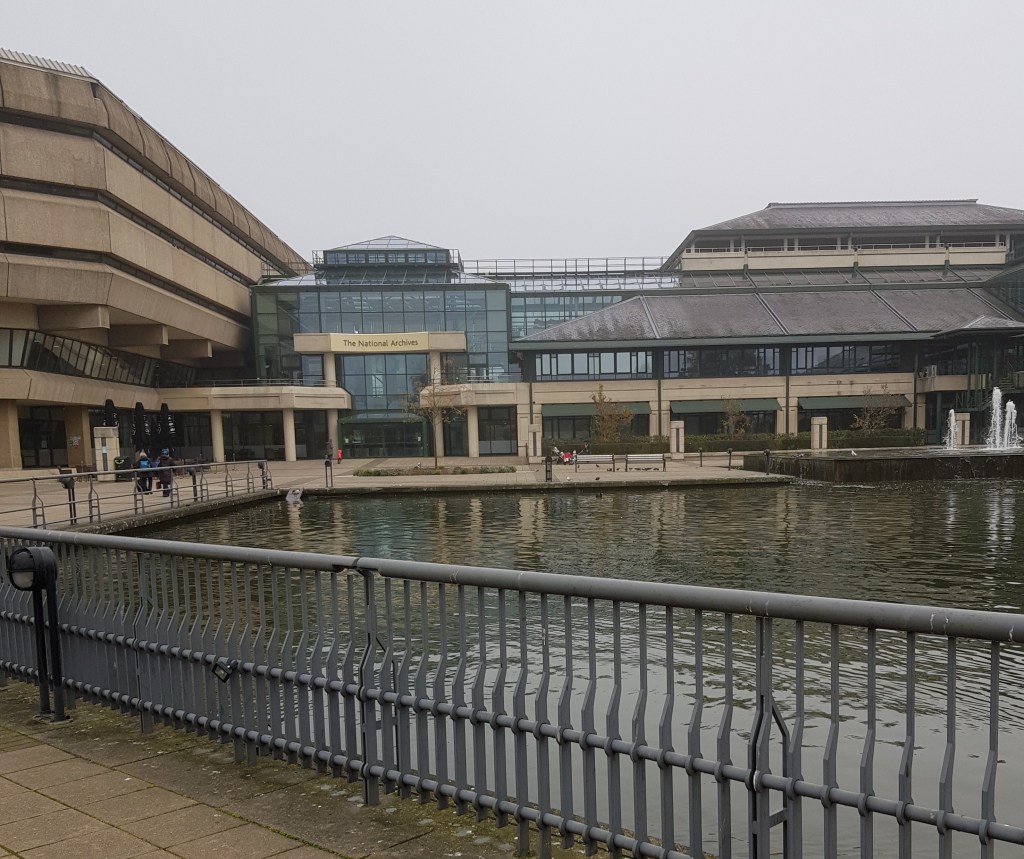
Trip to the National Archives, Kew
Emily McIndoe, Economic and Social History, University of Liverpool, 2017 Cohort
I have always thoroughly enjoyed archival research trips, especially to the National Archives in Kew, there’s something incredibly exciting about getting away from your desk to go and find your own primary sources. I find it such a satisfying process, although trying to explain to other people exactly what is exciting about sifting through boxes of government documents can be somewhat of a challenge. When I booked to go to the National Archives at the end of August, I knew it was going to be a different experience and I wasn’t sure what to expect, or even if I would find what I was looking for.

