 North West Social Science Doctoral Training Partnership
The Linguistics Pathway combines the expertise of three institutions, Lancaster University, University of Liverpool, and The University of Manchester, in focusing on the intersection of language and society. The pathway covers areas such as sociolinguistics, regional and social variation of English and other languages, multilingualism and language acquisition, the status of minority languages and language policy more generally, the pragmatics of language use in communication, psycholinguistics, and more. Particular strengths of the three-institution consortium include the study of language variation and change, especially in phonetics and phonology, laboratory phonetics (both acoustic and articulatory, e.g. ultrasound tongue imaging), phonology (both laboratory and theoretical), dialectal variation in English, corpus linguistics, discourse analysis, and the use of advanced quantitative methods in linguistics.
Programmes eligible for NWSSDTP funding
The list below includes all Master’s programmes that are eligible for NWSSDTP funding and the typical PhD programmes that are supported under this pathway. Other PhD programmes within these universities may be considered – please reach out to the relevant Pathway Representative (see contact details below) or the NWSSDTP Office if the PhD programme you are interested in is not listed here. Please note that the NWSSDTP does not fund standalone Master’s programmes – these can only be funded as part of a Master’s + PhD Studentship.
Lancaster University
- MA Intercultural Business Communication
- MA Discourse Studies
- MA Language and Linguistics
- MSc Forensic Linguistics and Speech Science
- MA Applied Linguistics and TESOL
- PhD Linguistics
- PhD Linguistics by Thesis and Coursework
University of Liverpool
University of Manchester
Pathway Representatives
Contact details for Linguistics Pathway Representatives can be found here: https://nwssdtp.ac.uk/about/contact-us/pathway-leads/
Current Linguistics Pathway Students and Alumni
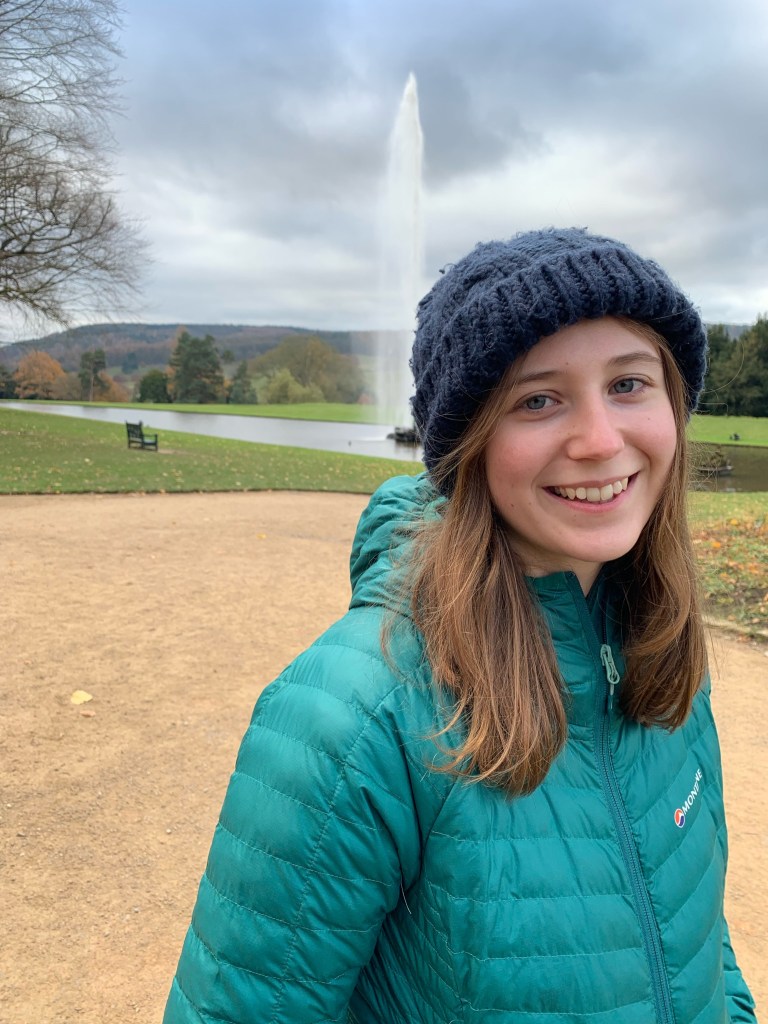
Seren Parkman (2021 Cohort)
- Lancaster University
- Email: s.parkman@lancaster.ac.uk
The Role of Chronological, Biological and Social Ageing in Speech Production
Chronological age is used widely in academic research and yet it is poorly understood how well it truly captures ageing. Consequently recent research highlights biological and social ageing as perhaps better indicators. My research aims to understand how these three forms of ageing influence speech production, with the implication of improving healthcare, and how we conceptualise age in future research.

Luke Adam Carroll (2018 Cohort)
- Lancaster University
- Email: l.a.carroll@lancaster.ac.uk
- MethodsX Stream: Quantitative Methods
Investigating regional variation in British English using Big Data: new applications for forensics and criminal justice investigations
Regional variation in prosodic features of speech (e.g. rhythm, voice quality) remain understudied for British English despite forming a fundamental part of forensic speaker comparison practices. My research will develop an account of dialect variation in the UK using new corpora of unprecedented scale and quality – providing large-scale, UK-wide, quantitative analyses for a number of prosodic and segmental speech parameters.
 North West Social Science Doctoral Training Partnership