 North West Social Science Doctoral Training Partnership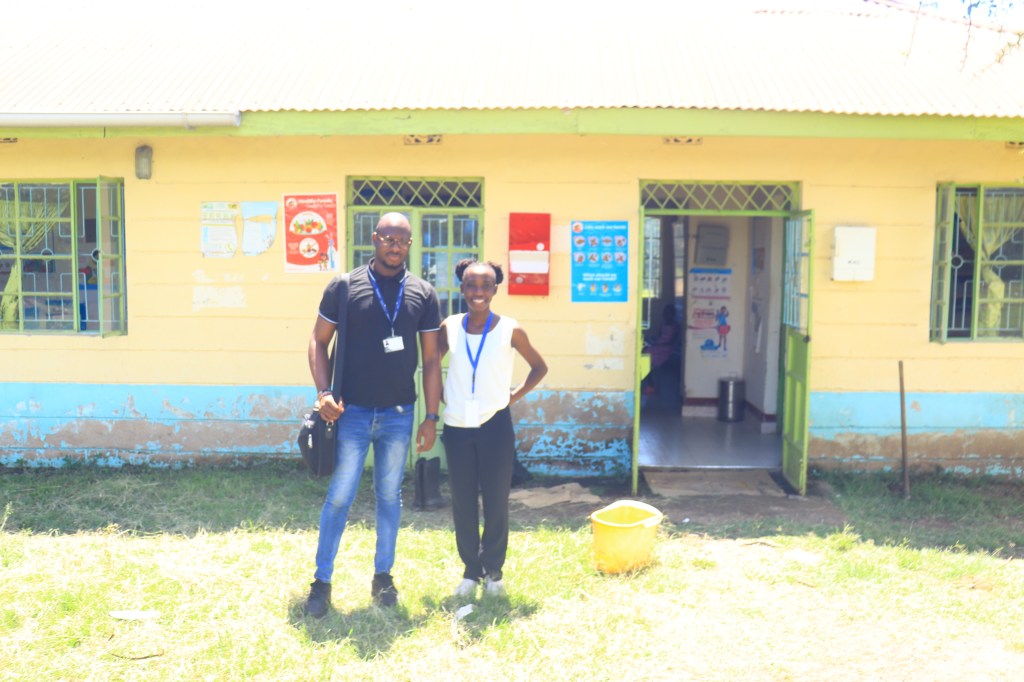
Enoch Kolawole, Health and Wellbeing, Keele University (2023 cohort)
Millions of women around the world live with HIV, but the burden of the disease is unevenly distributed across regions and continents. Over the past three months, I have had the opportunity to travel to urban and rural areas of Kisumu County, Kenya, for data collection as part of my PhD research on HIV. This international fieldwork, generously funded by the NWSSDTP, provided not only a rich academic experience but also a deeply personal and professional journey into the realities of women affected by HIV, allowing for firsthand observation and application of theories and concepts.
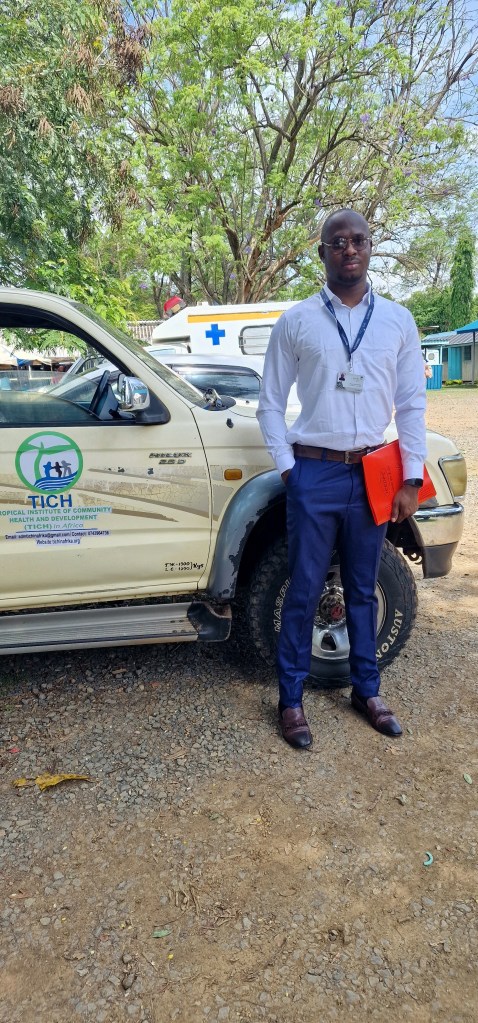
The trip opened my understanding into another unique aspect of African culture, relating with friendly people who are mainly trilingual and closely associated with the popular Lake Victoria, the world’s largest tropical lake and the third-largest lake in the world. Truly, “we are who we are by the virtues of where we come from.” This quote resonates deeply with my time in Kisumu. Initially, I had been working with a vague idea of influences that shaped the experiences of these women. Being immersed in the local context helped me appreciate the powerful concept of the “essence of space.” I gained profound insights into how social, geographical, historical, cultural, political, family and upbringing, and psychological factors intersect to shape the experiences of these women.
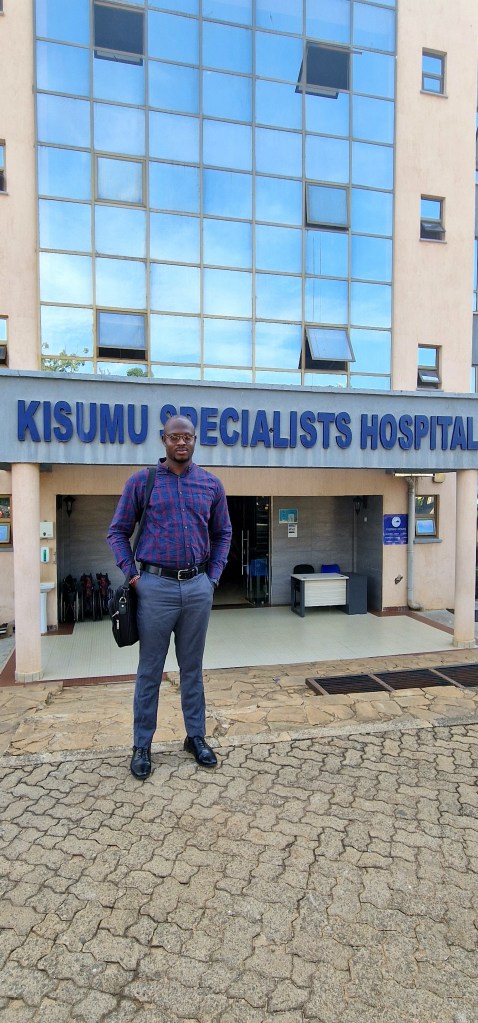
Beyond the warm climate, breath-taking scenery, and welcoming community, the most transformative aspect of this trip was seeing theoretical frameworks and academic concepts come to life. What once seemed abstract in books became vivid and tangible in the field. Observing and interacting with women in their everyday environments brought new clarity and understanding to my research. During this period, I applied qualitative research methodologies to structure and adapt the research process effectively. Fieldwork presented real-world challenges that tested my ability to think critically, remain flexible, and implement solutions on the ground, many of which could not have been anticipated beforehand.
Research is not a solitary endeavour. My experience underscored the importance of collaboration, communication, and teamwork. Working closely with my supervisory team and the local partner institution enriched the process and fostered meaningful professional connections.
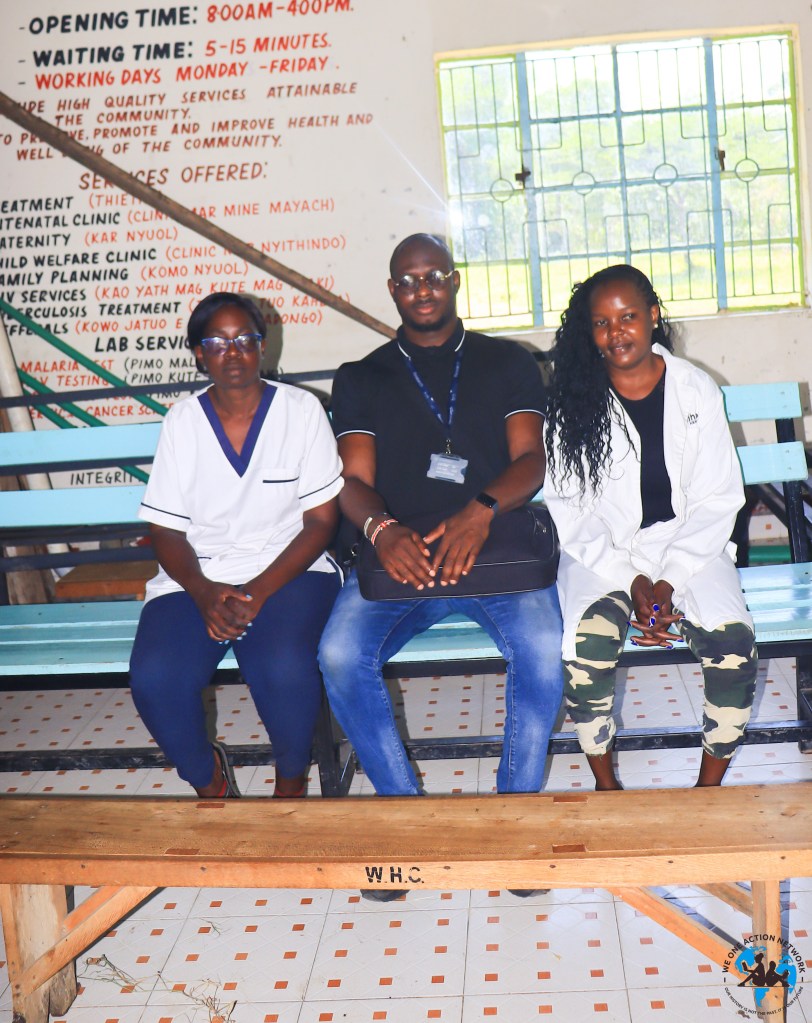
As individual researchers, we are part of a global academic and research community. Part of our collective mission is to generate new knowledge, fill gaps in knowledge, bridge theory and practice, and contribute to societal well-being. Every contribution, no matter how small, makes a difference and plays a role in solving issues and potentially saving lives. This responsibility drives us to give our best and make a lasting impact.
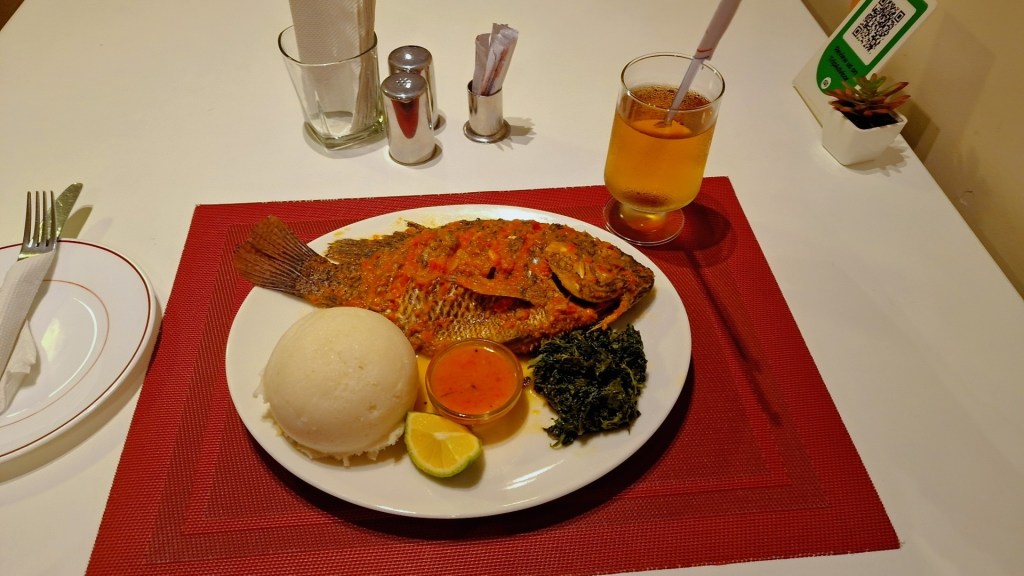
While I fondly miss the local delicacy of ugali fish in Kisumu, I returned with a renewed sense of purpose. While we all await and work for a cure for HIV, I remain committed to contributing to the body of knowledge and advocating for improved lives for women affected by this disease. Every data point, every information, every insight, and every story matters and makes a difference.
 North West Social Science Doctoral Training Partnership