 North West Social Science Doctoral Training Partnership
The Economic and Social History Pathway is one of the strongest concentrations of historical researchers in the UK. We aim to produce the next generation of methodologically-sophisticated historians who will be outward-looking and possess high-level skills in the applicability of social science methods in historical research. The pathway is committed to developing innovative and interdisciplinary research among a diverse body of postgraduate students. We offer supervision and training ranging from quantitative economic and business history to digital history and qualitative socio-cultural history. Specialist core training allows our students to acquire skills in methodologies tailored to their own programme of research.
Students join thriving and diverse research cultures; our departments have an outstanding track-record of research funding and outputs in economic and social history. Expertise ranges across the British Isles and Continental Europe to the Middle East, Asia and the Americas. Prestigious international links are embedded into our doctoral programme. We promote knowledge exchange and public engagement by collaborating with a range of Non-HEI partners through our successful CASE studentships and support postdoctoral work for outstanding graduates.
Programmes eligible for NWSSDTP funding
The list below includes all Master’s programmes that are eligible for NWSSDTP funding and the typical PhD programmes that are supported under this pathway. Other PhD programmes within these universities may be considered – please reach out to the relevant Pathway Representative (see contact details below) or the NWSSDTP Office if the PhD programme you are interested in is not listed here. Please note that the NWSSDTP does not fund standalone Master’s programmes – these can only be funded as part of a Master’s + PhD Studentship.
Keele University
Lancaster University
- MA History
- MA Digital Humanities
- MA International and Military History
- MA War and Diplomacy
- PhD History
University of Liverpool
- MA History: Cultural History
- MA History: Medieval and Renaissance Studies
- MA History: Eighteenth-Century Worlds
- MA History: Twentieth-Century History
- MA International Slavery Studies
- Master of Archives and Records Management
- PhD History
University of Manchester
- MA History
- MA History of Science, Technology and Medicine
- MA Digital Media, Culture and Society
- PhD History
- PhD History of Science, Technology and Medicine
- PhD Digital Humanities, Cultures and Media
For information on how to apply for funding, please visit our How to Apply page.
Pathway Representatives
Contact details for Economic and Social History Pathway Representatives can be found here: https://nwssdtp.ac.uk/about/contact-us/pathway-leads/
Current Economic and Social History Pathway Students and Alumni

Susie Johns (2020 Cohort)
- Keele University
- Weblink: https://lichfieldbawdycourts.wordpress.com/
- Email: s.v.johns@keele.ac.uk
- MethodsX Stream: Archives, collections and documents of life
In Search of Past Time: Popular Perceptions of Time c.1550-c.1800
Working with the Staffordshire Records Office archive, this project will investigate popular perceptions of time within witness testimonies from the Lichfield Consistory Court. It will determine how people dated events such as referencing agriculture, religious festivals, and key events; assess changing patterns of time perception; and compare time perception between different groups categorised by location, occupation, status, and gender.
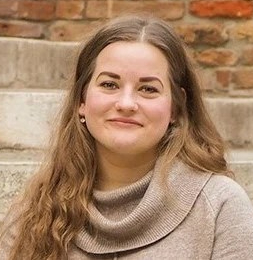
Vendy Hoppe (2020 Cohort)
- University of Manchester
- Weblink: https://www.research.manchester.ac.uk/portal/en/researchers/vendula-hoppe(b3a19d40-eb1d-4b65-ab86-3ced91daec25).html
- Email: vendula.hoppe@postgrad.manchester.ac.uk
- MethodsX Stream: Archives, collections and documents of life
Velvets in Renaissance Europe: Making Consumerist Cultures 1400-1700
My PhD project focuses on examining the material, societal, and economic significance of velvets in Italy, France, and the Czech lands of the Holy Roman Empire between 1400 and 1700. This PhD project presents a comparative study of courts and cities as centres of the production and consumption of velvets, while considering silk’s drive of technological innovation and entrepreneurial creativity.
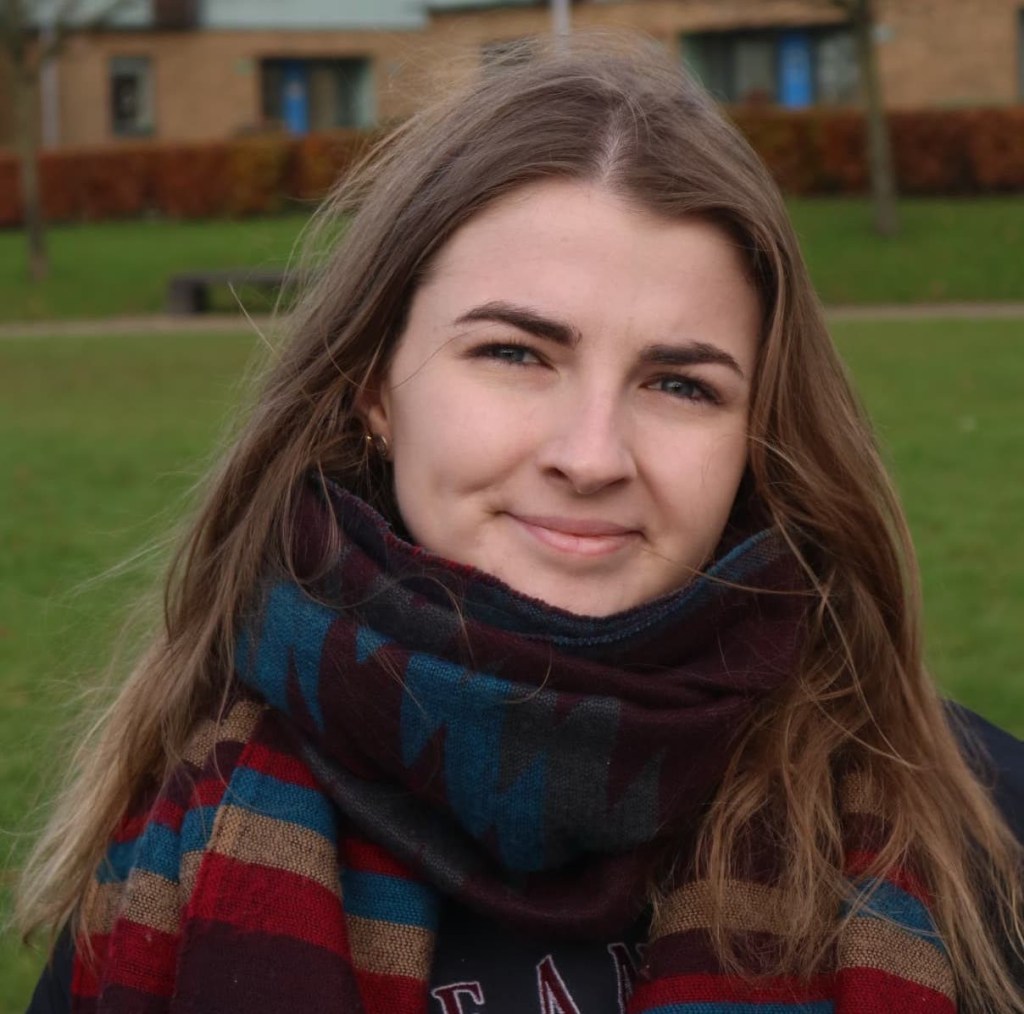
Sophie Merrix (2020 Cohort)
- Lancaster University
- Weblink: Sophie Merrix (@_SophyM) / Twitter
- Email: s.merrix@lancaster.ac.uk
- MethodsX Stream: New Forms of Data/Digital Methods
Space, Status and Society: the Lives of Black Stuarts
My PhD analyses the lives of Black Africans in Stuart England; a period that witnessed the emergence and growth of Britain’s trans-Atlantic slave trade alongside shifting racial ideologies. I am creating a prosopographical database of Africans alongside mapping and writing black individuals into Early Modern English history. How did Empire alter the place, status, and careers of Africans in England?
Marjotte Miles (2021 Cohort)
- Lancaster University
- Weblink: https://twitter.com/MarjotteMiles
- Email: m.miles1@lancaster.ac.uk
Museums, Big Data and the Violence of Empire
PhD in collaboration with the University of Liverpool, Lancaster University, Liverpool John Moores University, and National Museums Liverpool. The project investigates how imperial and colonial violence has been conceptualised and perpetuated through imperial and colonial collecting, curatorial decision-making, and museum display practices. Emphasis on digital humanities and technology.
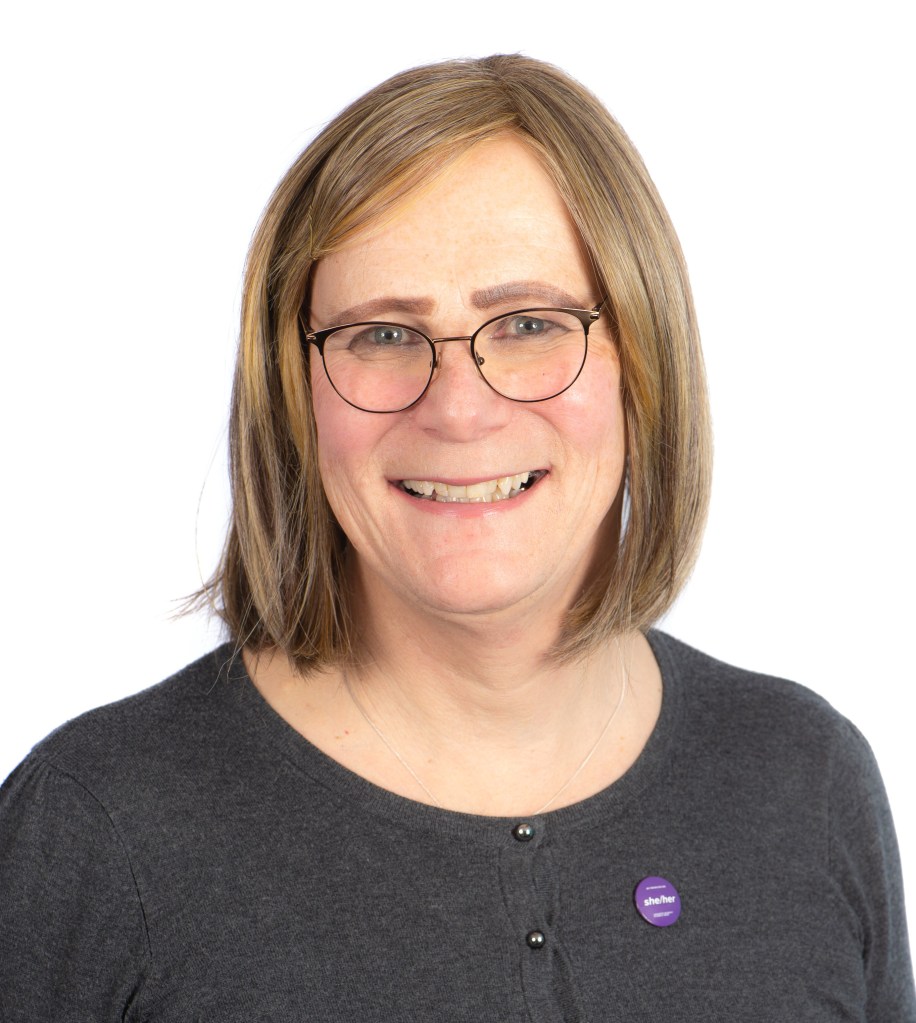
Amy Louise Stanning (2021 Cohort)
- Lancaster University
- Weblink: https://www.research.lancs.ac.uk/portal/en/people/amy-stanning(58822c3b-34c6-4d3b-969e-ec274c946e46).html
- Email: a.l.stanning@lancaster.ac.uk
Was there a taxation revolution in late eighteenth-century Britain?
I am working on the history of state taxation and the nature of the tax administration that underpinned the ‘fiscal-military state’ in eighteenth-century Britain. I am investigating how taxation was collected, and my findings suggest that far from being a settled problem there is far more to the funding of the British ‘fiscal-military state’ than is currently apparent.
Lois Wignall (2022 Cohort)
- University of Liverpool
- Email: hslwigna@liverpool.ac.uk
The ‘Mechanically Literate Entrepreneur’ Reconsidered: Subscription Libraries and the Industrial Revolution
Utilising a library history approach to economic and social phenomena, my PhD project probes Jacob’s assertion that industrialisation was led by the ‘mechanically literate entrepreneur’ who was well versed in the latest scientific knowledge (2007, p.207). Focusing on Liverpool’s industrial experience, the research assesses the extent to which voluntary membership libraries fostered scientific culture through the provision of books and informed conversation. It also asks how far libraries helped readers across the social scale negotiate for themselves varying impacts of industrialisation.

Charlotte Clare (2022 Cohort)
- Keele University
- Weblink: https://twitter.com/CharVicClare
- Email: x8k38@students.keele.ac.uk
The Re-Naturalisation of ‘British’ Women, 1915-1923
In collaboration with The National Archives, this project uses the newly opened records of women who, having been previously stripped of their British citizenship through marriage to foreign men, applied for re-naturalisation after this became possible from 1915. This will be the first opportunity to understand who these women were, why they applied, what being British meant to them, in their own words.

Joel Mead (2022 Cohort)
- University of Liverpool
- Weblink: https://www.liverpool.ac.uk/history/research/phd-students/joel-mead/
- Email: Joel.Mead@liverpool.ac.uk
Breaking and Remaking the British Egg: Intersections of Class, Health and Animal Welfare, 1956-1999.
My research explores the history of eggs in Britain, 1956-1999. It takes a holistic approach which looks not just at egg production but also the wider societal context of changing consumptive practices and public attitudes. It is structured around a central question: how did developments in egg production and consumption shape and reflect understandings of class, health and animal welfare.
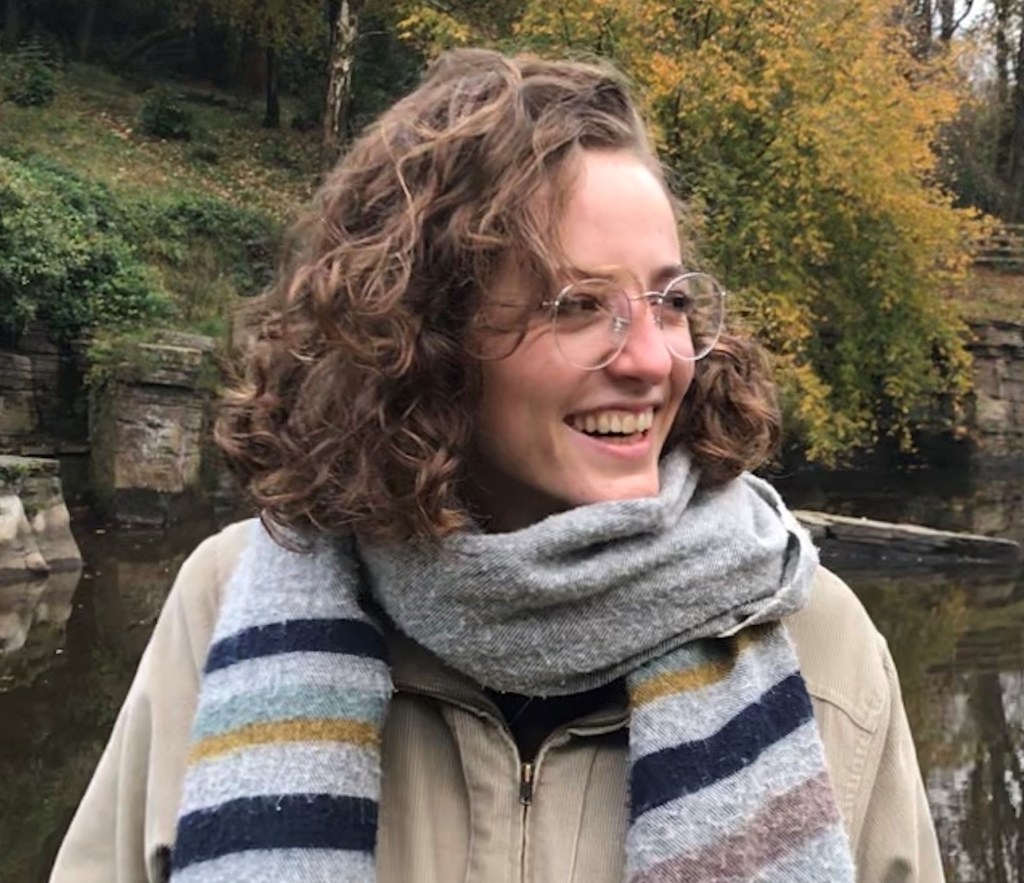
Charlotte Evans (2020 Cohort)
- Lancaster University
- Email: c.evans9@lancaster.ac.uk
Mapping Water Histories of the Kaveri River, South India
This project explores historical water management practices in the Kaveri river catchment, South India, emphasizing the intersections of geography and history. Using digital tools like GIS, the research aims to inform contemporary water security and climate change challenges, with the goal of developing sustainable policies for the region’s water scarcity issues. My CASE partner is the National Library of Scotland. I am also affiliated with the French Institute of Pondicherry (IFP).
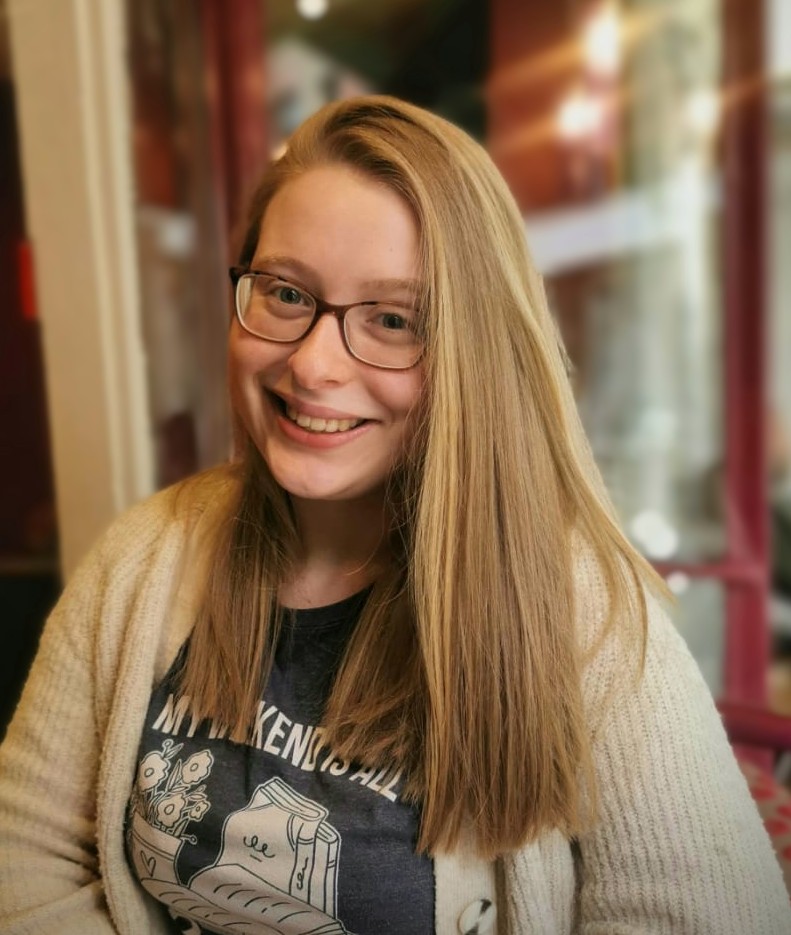
Laura Noller (2023 Cohort)
- Lancaster University
- Weblink: https://www.linkedin.com/in/laurakatenoller/
- Email: l.noller@lancaster.ac.uk
Modelling an Occupation: Exploring Points of Contact Between Authorities and Islanders on the Nazi-Occupied Channel Islands
This PhD project examines the points of contact between Channel Islanders and German soldiers during the Occupation of the Channel Islands, 1940-1945. It investigates how different demographics’ sense of identity impacted their interactions and occupation experiences.
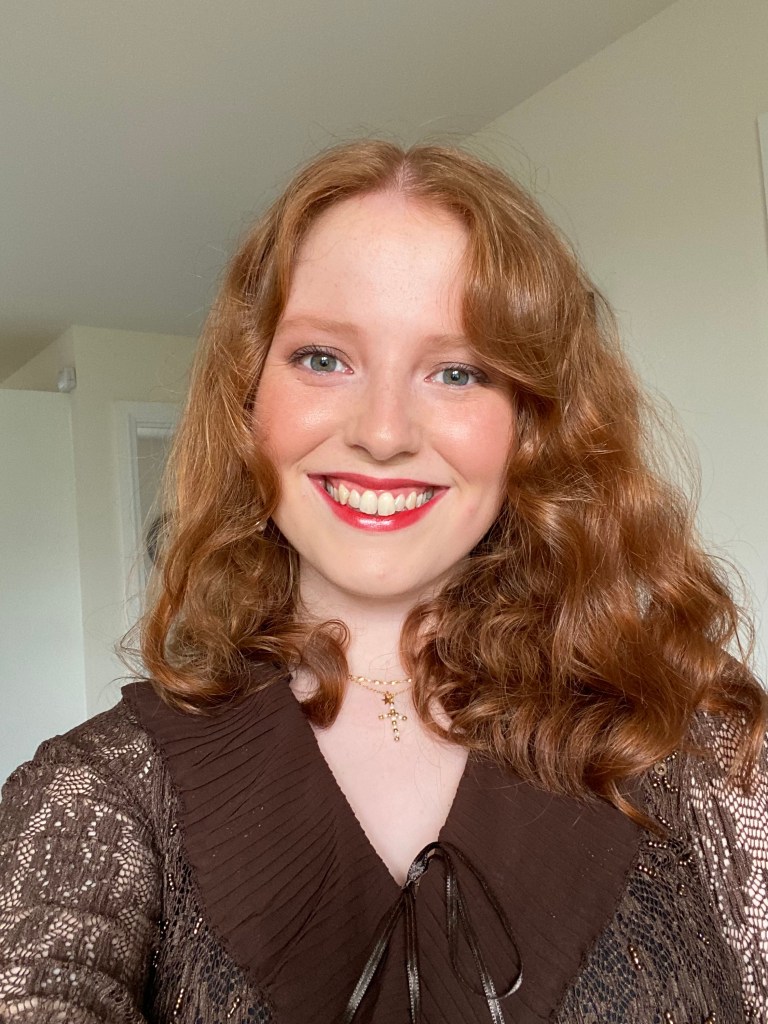
Anna Drury (2023 Cohort)
- Lancaster University
- Weblink: https://www.research.lancs.ac.uk/portal/en/people/anna-drury(7da0470d-7615-458a-adca-36a12a93331e).html
- Email: a.drury@lancaster.ac.uk
‘O peso do estigma’/ ‘The weight of stigma’: History’s Reflection in the Politics of Brazilian Putafeminismo
My thesis project investigates history’s reflection in and refraction through the politics of Brazilian putafeminismo. It historicises the stigma attached to sex work, and to the individuals who carry it out, demonstrating that ‘the weight of stigma’ being carried by Brazilian putafeministas is intimately connected to Brazil’s colonial and imperial past and history of racial and sexual violence.
Ruby Hawthorn Rutter (2017 Cohort)
- University of Manchester
- Weblink: https://www.linkedin.com/in/ruby-rutter-09bb84150
- Email: ruby.rutter@postgrad.manchester.ac.uk
- MethodsX Stream: Archives, Collections and Documents of Life
Being a Lady: the Elite Woman’s Lived Experience in the Eighteenth-Century English Country House, 1720-1830
This thesis seeks to flesh out the figure of the eighteenth-century elite woman by considering her lived experience within the English country house. It aims to investigate how elite women felt about, interacted with, and navigated the country house space, and considers what impact it had on their emotions, their health, their identities, their relationships and their engagement with consumerism.
Jamie Farrington (2017 Cohort)
- University of Manchester
- Weblink: https://twitter.com/JamieF140
- Email: Jamie.farrington@manchester.ac.uk
- MethodsX Stream: Archives, Collections and Documents of Life
Understanding the Impact of Injury and Infection Among the Workers and the Wealthy of the Quarry Bank Mill (1847-1920) and the Use of Heritage for Contemporary Communities
I examine the health and wellbeing of the three distinct groups, the mill owners the Gregs, the workers and the apprentice children who lived at Quarry Bank Mill. I explore the impact of the environment, living and working conditions, diet and nutrition on the health of these groups, looking into the injuries and infections which they suffered.
Aneurin Merrill-Glover (2019 Cohort)
- University of Manchester
- Weblink: https://www.research.manchester.ac.uk/portal/aneurin.merrill-glover-postgrad.html
- Email: Aneurin.merrill-glover@postgrad.manchester.ac.uk
- MethodsX Stream: Archives, Collections and Documents of Life
Mosslands in early-modern Lancashire 1500-1800
Mosslands in early-modern Lancashire 1500-1800 is about the changing relationship between society and environment, in the original and unique setting of mossland landscapes in south-east Lancashire. Mosslands is a social environmental history, and therefore an inherently interdisciplinary exercise, requiring methodological tools from ecology and physical geography, as well as recognisable social-historical methodologies.
 North West Social Science Doctoral Training Partnership