 North West Social Science Doctoral Training Partnership
Joel Mead, Economic & Social History, University of Liverpool (2022 Cohort)
I am a PhD student in the Department of History at the University of Liverpool, nearing the end of my second year. My research focuses on the history of egg production and consumption in post-war Britain, examining broader societal changes in consumption and public attitudes. Over the past year, I’ve discovered exciting connections between my research and environmental history, particularly in how food consumption and agricultural practices have impacted the environment.
I was, therefore, delighted when my paper was accepted for the World Congress of Environmental History (WCEH) in August of this year at the University of Oulu in Finland. This prestigious event, occurring every five years and held over a week, is the foremost global gathering for scholars in environmental history, environmental humanities, and all related fields. The sheer scale of the conference, with hundreds of participants and multiple panels occurring concurrently throughout the day, provided an incredible variety of papers to explore.
The call for papers deadline was September 2023, and the event itself was not until August 2024, so anyone interested in attending a conference of this scale should bear that in mind when applying. The conference also had an excellent system for seeing how many papers each panel had received, which meant you could target your paper to a panel on which you were more likely to be accepted. I applied for the panel “Experience and Emotion in the Domestic Environment”, which explored how households traditionally managed by women have transformed over time. My paper argued that representations of women and the home are essential to understanding the transformation of British egg production and consumption in the mid-twentieth century, particularly how contemporaries understood this transformation in their everyday lives.
Despite my initial nervousness, the experience of presenting my research at the conference was invaluable. It not only strengthened my argument and improved my ability to articulate my research but also exposed me to a supportive and intellectually stimulating environment. The discussions during my panel, which ranged from critical interrogation of the term ‘housewife’ to the role of domestic spaces in environmental history and climate change, were both exciting and informative. They have influenced the direction of my research and understanding of the field.
One of the most rewarding aspects of presenting at a conference is learning from others’ research. I found papers on topics such as the role of urban rats in shaping 20th-century Copenhagen’s domestic environment and the global networks required to feed ‘factory farms’ especially fascinating. The conference also introduced me to a previously unexplored archive at the University of Leeds – a collection of historical cookbooks, which I am eager to explore soon.
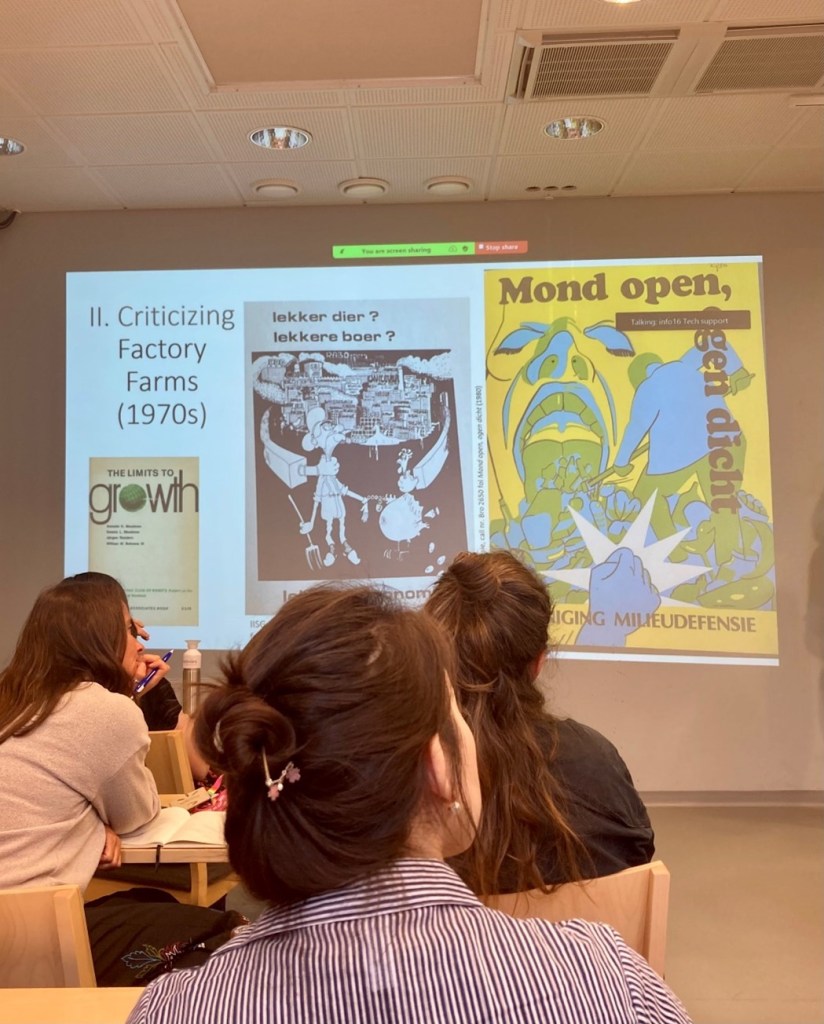
The University of Oulu, the northernmost university in Europe, is based in the Arctic Circle. Despite its Baltic location, the conference was held in the summer, allowing us to enjoy the mostly warm weather and sunshine. The unique setting was a significant factor that drew me to apply to attend the conference. The experience of visiting such a distinctive place, made possible by our funding, was fun and enriching.
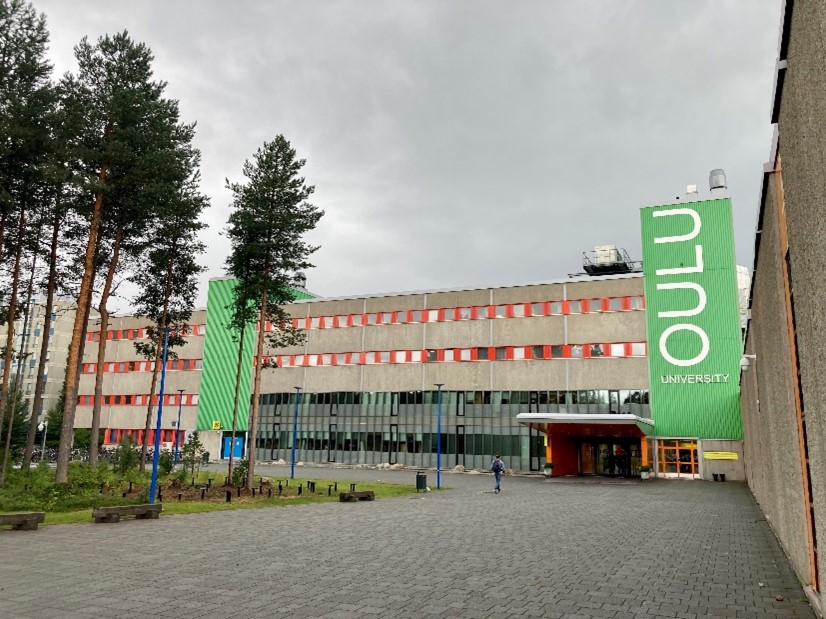
Oulu is quite a small city, with most buildings seemingly built in the post-war period. The best part of the city is how integrated into nature it is, with trees and water integrated into the fabric of the city and the ocean nearby. The architecture is distinctive and feels ‘Finnish’. My favourite buildings were the City Theatre, which overlooks the harbour, and a small lighthouse near Nallikari Beach. I hired an electric scooter from the town centre to commute daily to the university and to visit the beach. The city’s bicycle infrastructure was enviable and travelling by bike or scooter felt safe.
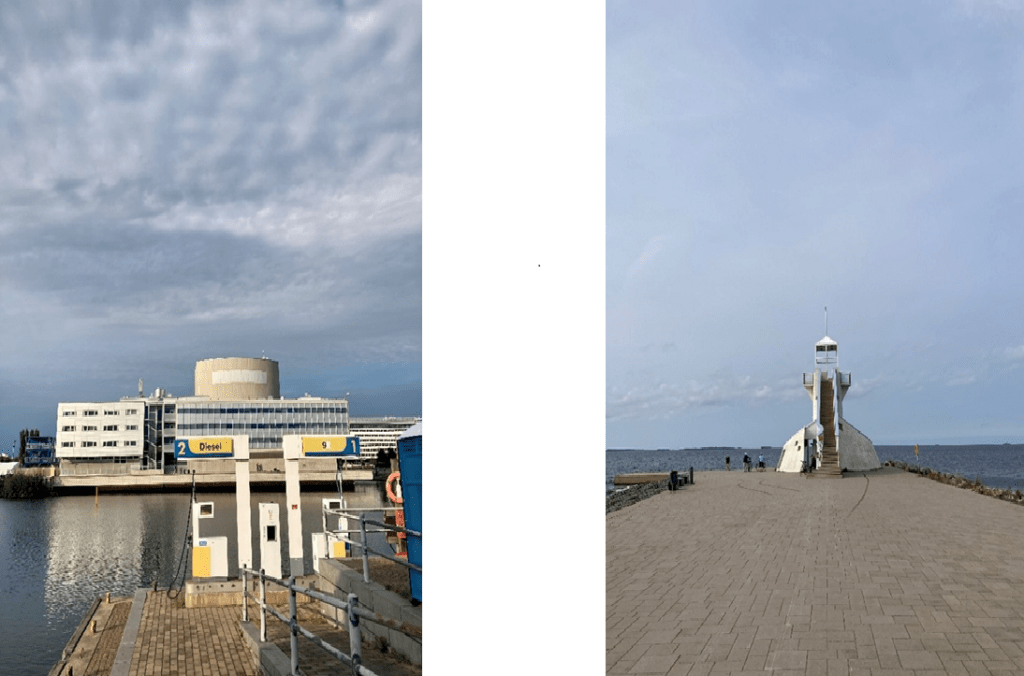
The university architecture also felt unique compared to my home institution of Liverpool. Many of the rooms and buildings of the campus are connected by corridors – presumably to avoid having to leave the warmth during the winters – and the style was particularly Scandinavian. The size of the main building was such that staff members could be seen navigating around using scooters.
As my first international academic conference, I found the whole experience hugely valuable and would recommend it to other PhD students. At first, I was taken out of my comfort zone by the size of it all, but I quickly acclimated and found the people I met to be friendly, engaged and willing to discuss their research with me. Attending the conference has benefitted my thesis and has set me up well to tackle the third year of my PhD.
 North West Social Science Doctoral Training Partnership