 North West Social Science Doctoral Training Partnership
Camilla Woodrow-Hill, Psychology, University of Manchester (2020 Cohort)
This month I was fortunate enough to be offered a place on a Knowledge Exchange and Wellbeing Residential program. The program was organised by the NWCDTP and REALab but luckily was offered to NWSSDTP students too.
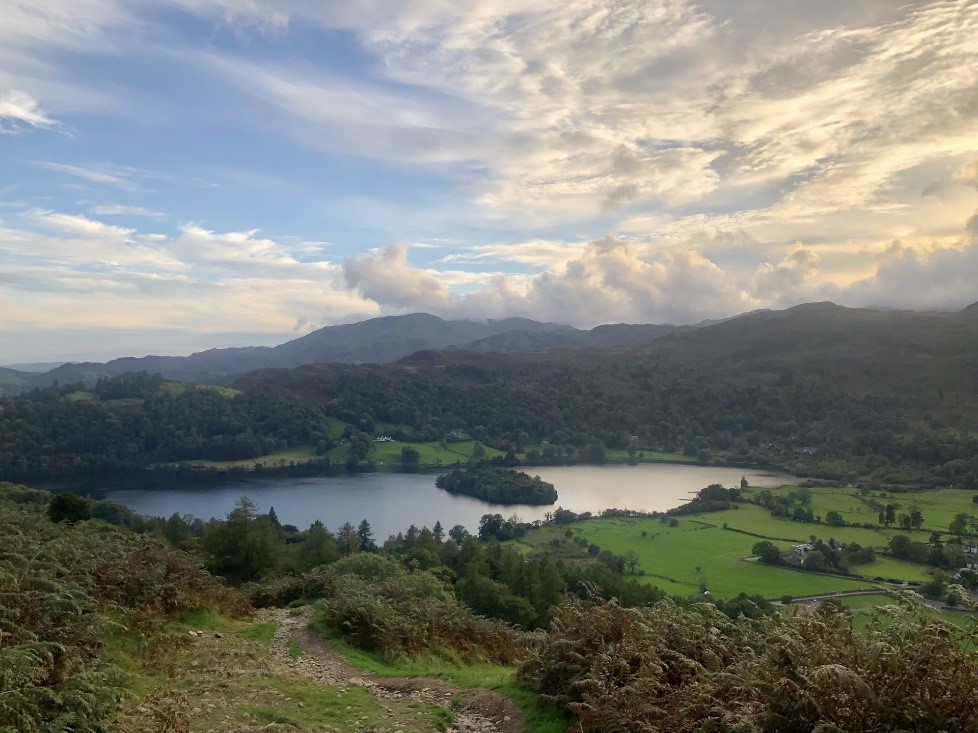
The program took place in Windermere in the Lake District. We stayed in a stunning hotel right by a lake and all food was included for the entire stay. There were around 20 of us completing the program in total, comprising PhD students from various universities in the North West studying a huge variety of topics.
On the first day, after arriving at the hotel, we completed a wellbeing workshop which lasted the rest of the day. This workshop was intense but really impactful. We were encouraged to share our personal PhD experiences with our fellow students, including our hopes and fears, and what had been our biggest struggles so far. It helped that the sun was shining, and we did many of these exercises sat in the hotel garden beside a glistening lake. The exercises really helped me to understand why I struggled with certain elements of my PhD, but the greatest part of this was connecting with fellow students. Most students had experienced the same thoughts and challenges, and everyone listened attentively, without judgement. I believe this workshop was the greatest catalyst for forming social connections throughout the trip.
The following day we met the business partner we would be working with as part of the knowledge exchange element of the program, which involved training in research consultancy. The business partner was the Wordsworth Museum in Grasmere, and as someone with an interest in literature and Romanticism, I was really excited about this. We got to be tourists at the museum and received a tour around Dove Cottage, which was where William Wordsworth wrote the vast majority of his poetry. We also met the museum curator who showed us some of the special items they have, including the original journal owned by Dorothy Wordsworth (William’s sister) and other early editions of famous works.


In the second half of Day 2 and for all of Day 3, we focused solely on the research consultancy element of the program. In groups, we were instructed to develop a research plan that would explore how the Wordsworth museum might generate additional sustainable income, culminating in a 5-minute presentation on Day 3 about our project plan. I found this element of the program really challenging. Having never engaged in this kind of work before, I felt quite lost and confused regarding what we were supposed to be producing, but nevertheless, I learnt a great deal from being thrown into the deep end.
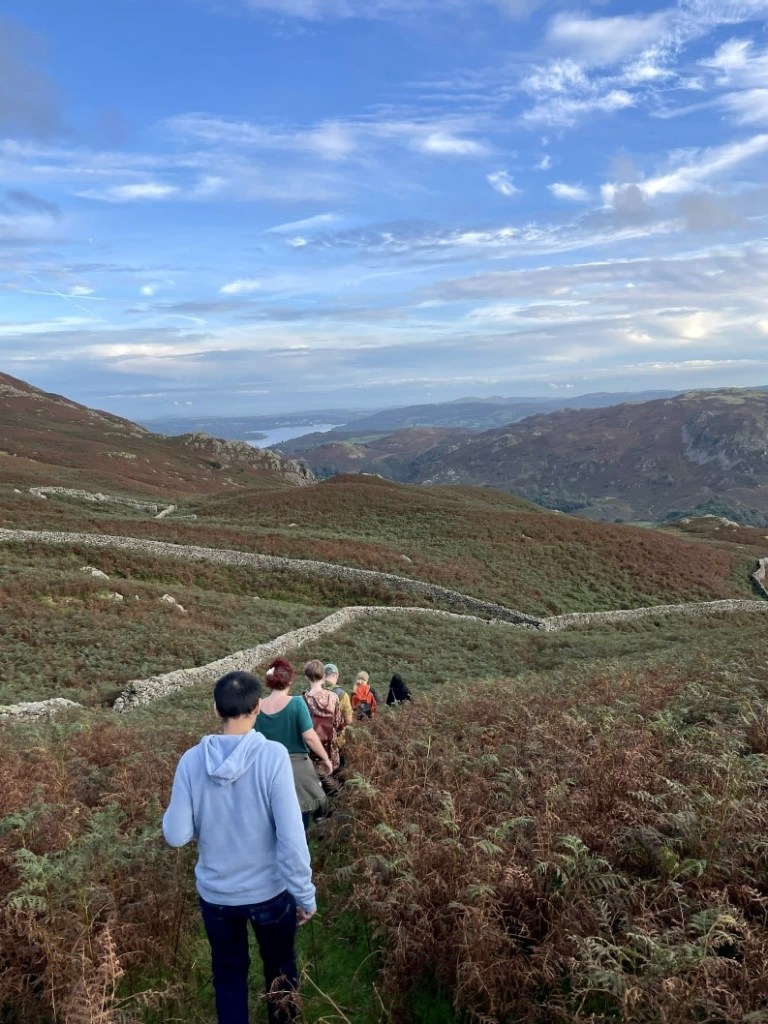
On our final morning, we went on a poetry walk with Professor Simon Bainbridge from Lancaster University, who led us into the beautiful hills surrounding Windermere with occasional stops to reflect on some of Wordsworth’s poetry and his thought processes when composing. I found this incredibly peaceful and inspiring.
Alongside these planned activities, over the course of our stay we also made good use of our free time in the evenings before dinner. There were optional walks each day for those interested in them, and on Day 2 I opted for a challenging hike in Grasmere up to Grey Crag, which was awe-inspiring, but not a walk in the park! On Day 3 I elected to make use of the hotel spa instead of hiking, which was a wonderful break from the grind of PhD life.
Overall, it was the people that really made this trip so enjoyable. Many laughs and engaging conversations were had at dinner, over a cup of tea, or while sitting in the hotel sauna, which I hope will develop into long-term friendships. Plus, the forced time away from PhD work provided a much-needed break. I would definitely recommend other students to apply for next year’s program when available.
 North West Social Science Doctoral Training Partnership